
Residential Landscaping Services USA
The complete homeowner guide to landscaping costs, lawn care, design ideas, and finding the best local professionals.
Residential Landscaping Services USA: Complete Homeowner Guide 2026
Your yard says something about your home before anyone even walks through the front door. A well-maintained, thoughtfully designed landscape creates an immediate impression — and for most homeowners, it represents one of the most visible investments you can make in your property.
Residential landscaping services cover everything from routine lawn mowing and fertilization to complete backyard renovations with patios, outdoor kitchens, and custom lighting. The challenge for most homeowners isn't finding a landscaping company — it's understanding what they actually need, what it should cost, and how to find someone who'll do the work right.
This guide covers all of it. Whether you're maintaining an established yard, planning a full outdoor makeover, or simply trying to figure out why your lawn looks terrible every August, you'll find practical answers here. For a deeper dive into the full range of services available, check out this ultimate guide to landscaping services that breaks down every category in detail.
What Are Residential Landscaping Services?
Residential landscaping services refer to professional lawn care, landscape design, installation, and maintenance work performed on private homes and residential properties. This covers a broad spectrum — from a $45 mowing visit to a $50,000 full backyard transformation.
The term landscaping is often used loosely. To most homeowners, it means anything related to the outdoor appearance and function of their property. To professionals, it covers both softscaping (living elements like grass, plants, and trees) and hardscaping (permanent structures like patios, walls, and walkways). For a complete overview of what's included, this landscaping services guide covers every service category you'll encounter.
Basic Landscaping vs Full-Service Landscaping
Basic landscaping typically means lawn maintenance — mowing, edging, weed control, and seasonal cleanup. These are recurring services that keep an existing yard looking maintained.
Full-service landscaping goes further. It includes design, installation, hardscaping, irrigation, outdoor lighting, drainage solutions, and complete property transformations. Many companies offer both, though some specialize in one area or the other.
| Service Category | Basic Landscaping | Full-Service Landscaping |
|---|---|---|
| Lawn mowing and edging | YES | YES |
| Fertilization/weed control | Sometimes | YES |
| Seasonal cleanup | YES | YES |
| Landscape design | NO | YES |
| Sod or seed installation | Sometimes | YES |
| Hardscaping (patios/walls) | NO | YES |
| Irrigation systems | NO | YES |
| Outdoor lighting | NO | YES |
| Drainage solutions | NO | YES |
| Tree trimming | Sometimes | YES |
Why Homeowners Invest in Professional Landscaping
The reasons vary. Some homeowners hire landscapers because they don't have time for lawn maintenance. Others are preparing to sell and need curb appeal fast. Many are simply frustrated — they've tried managing their yard themselves and the results don't match what they want.
Professional landscapers bring knowledge, equipment, and consistency that most homeowners can't replicate on their own. They also understand what works in your specific climate, soil type, and seasonal conditions.
Residential Landscaping for Different Property Sizes
Property size directly affects what services you need, how much they cost, and how often maintenance is required.
- Small properties (under 3,000 sq ft): Focus on routine maintenance, flower bed upkeep, and smart plantings that maximize visual impact in limited space.
- Mid-size properties (3,000–7,500 sq ft): Most common in suburban USA. Full maintenance programs, seasonal projects, and selective hardscaping all make sense at this scale.
- Large properties (over 7,500 sq ft): Require larger crews, more equipment, and often more complex irrigation and drainage planning. Annual landscaping budgets at this level are significantly higher.
Most Popular Residential Landscaping Services
Lawn Mowing and Maintenance
Routine mowing is the foundation of any residential landscaping program. A professional mowing visit includes cutting at the correct height for your grass type, edging along driveways and planting beds, and clearing clippings from hard surfaces.
What separates professional mowing from DIY isn't just the equipment — it's the consistency. Mowing at the wrong height, at the wrong frequency, or with dull blades all damage turf health over time. Professional crews know the difference and adjust for seasonal conditions.
Most homeowners schedule mowing every 7–14 days during the growing season. If you're in the Houston area, professional lawn care services in Houston, TX can help keep your lawn on a consistent schedule year-round.
Landscape Design and Planning
Good landscape design starts with understanding the property — its orientation, drainage patterns, soil conditions, sun exposure, and how the homeowner actually uses the space. A design that looks great on paper but ignores practical realities creates problems within the first growing season.
Professional landscape designers create plans that are both beautiful and functional. They account for plant growth rates, seasonal appearance changes, maintenance requirements, and long-term cost of ownership. For inspiration on combining aesthetics with practical design principles, this landscape and garden design guide offers excellent visual examples and planning frameworks.
Sod Installation and Lawn Replacement
When a lawn is beyond saving through maintenance, professional sod installation gives you a fresh start. A properly installed sod lawn looks established immediately and roots within 2–6 weeks under correct care.
Sod installation requires soil preparation — tilling, grading, and amendment — before a single piece of turf is laid. Companies that skip this step produce sod that fails within the first season.
Tree Trimming and Shrub Care
Trees and shrubs shape the visual structure of a residential landscape. Proper trimming improves plant health, prevents hazardous growth near structures, and maintains the shape and scale that makes a yard look intentional rather than overgrown.
Improper pruning is worse than no pruning — it damages plant health, creates open wounds that invite disease, and often produces rapid, unattractive regrowth. Hire professionals for any trimming above what you can safely reach from the ground.
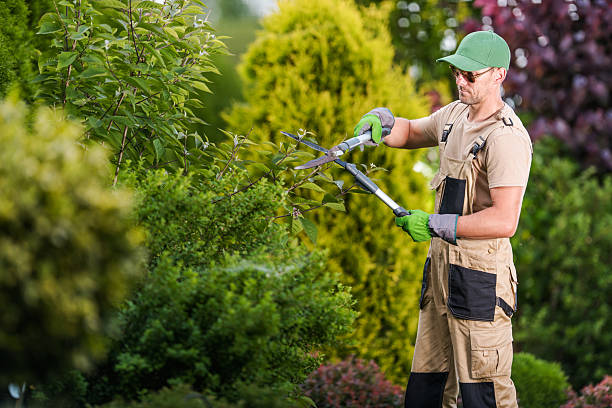
Professional tree and shrub trimming keeps your landscape looking clean, healthy, and well-maintained throughout every season
Mulching and Flower Bed Installation
Fresh mulch refreshes appearance, regulates soil moisture and temperature, and suppresses weed growth. Most landscape professionals recommend refreshing mulch annually — typically in spring before the heat intensifies.
Flower bed installation and seasonal planting add color and character. Annual planting programs change beds with the seasons; perennial plantings establish over time and require less year-to-year investment.
Irrigation and Sprinkler Systems
A properly designed irrigation system is one of the smartest investments in residential landscaping. It delivers the right amount of water at the right time — reducing waste, preventing overwatering and underwatering, and keeping your lawn healthy through dry periods without daily manual effort.
Smart irrigation controllers — connected to weather data and soil sensors — have become standard in new installations and offer significant water savings over traditional timer-based systems.
Patio Installation and Hardscaping
Hardscaping — patios, walkways, retaining walls, and outdoor living structures — adds permanent value to residential properties and dramatically expands usable outdoor space. These are among the highest-return investments in residential landscaping when properly designed and installed.
Patio installation costs vary significantly by material (concrete, pavers, flagstone) and complexity. Most residential patios run $4,000–$20,000 depending on size and features. If you're considering a patio project in Texas, patio installation services in Austin, TX can provide expert design and installation tailored to your property.
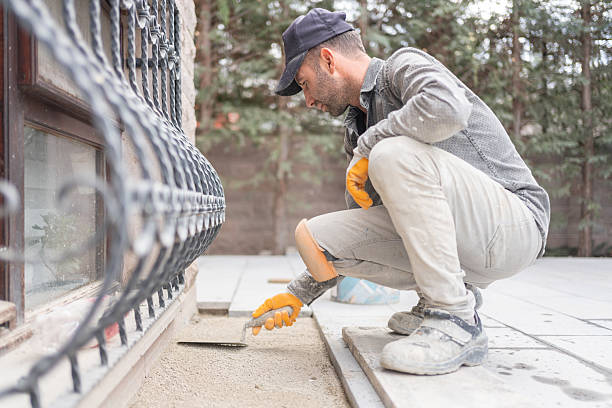
Professional paver and patio installation creates durable outdoor living spaces that add lasting value to your property
Outdoor Lighting Services
Landscape lighting extends the usability of outdoor spaces into evening hours, adds security, and creates visual interest in a well-designed yard that photographs and presents beautifully. Low-voltage LED systems are the standard for residential installations — durable, energy-efficient, and controllable from smartphone apps.
Seasonal Yard Cleanup
Spring and fall cleanups are among the most commonly requested residential landscaping services. They include leaf removal, bed edging, debris clearing, dead growth pruning, and preparation for the season ahead.
For homeowners in HOA communities, seasonal cleanups often prevent compliance violations that result in fines that exceed the cost of the service. In most markets, spring cleanup should be scheduled in February or March — before demand peaks and availability tightens.
Front Yard Landscaping Ideas for Homeowners
Your front yard creates the first impression of your home. It doesn't need to be elaborate — but it does need to look intentional, well-maintained, and appropriate for the neighborhood.
Low Maintenance Front Yards
The most practical front yards require minimal ongoing care without looking neglected. Key elements include:
- Mulched planting beds (reduce weeding, retain moisture)
- Perennial plantings that return without annual replacement
- Ground cover instead of high-maintenance turf in small areas
- Simple, clean edging along walkways and driveways
- Drought-tolerant shrubs that require minimal pruning
A low-maintenance front yard isn't a compromise — it's a smart design choice that looks good year-round without constant attention.
Modern Landscaping Designs
Modern residential landscaping emphasizes clean lines, repetition, and a restrained plant palette. Think symmetrical plantings flanking the front entry, large concrete or paver walkways, ornamental grasses, and minimal clutter.
Modern designs tend to look better through the seasons because they rely on structure rather than flower color. They also tend to be more durable and lower-maintenance than traditional cottage-style plantings.
Native Plant Landscaping
Native plants — species that evolved in your local region — are gaining significant popularity in residential landscaping across the USA. They thrive in local conditions without heavy irrigation or supplemental fertilization, support local pollinators, and reduce long-term maintenance costs.
In Texas, that might mean mountain laurel, muhly grass, and black-eyed Susan. In the Pacific Northwest, native ferns, red-twig dogwood, and Oregon grape. In the Northeast, inkberry holly, native viburnum, and coneflowers.
Every region has a rich native plant palette worth exploring with a local landscape designer.
Water Efficient Landscaping Solutions
Water efficiency in landscaping has moved from niche preference to mainstream practice. Drought-tolerant designs, efficient irrigation, and smart controllers reduce water usage without sacrificing appearance — and in states with water restrictions or high water costs, they reduce monthly bills meaningfully.
Xeriscaping — landscape design focused on water conservation — works in virtually every region when designed well. The key is matching plants to your specific climate rather than applying a one-size-fits-all approach. The EPA WaterSense landscaping tips provide authoritative guidance on water-efficient practices that any homeowner can implement.
Backyard Landscaping Ideas for Better Outdoor Living
The backyard is where homeowners spend their actual outdoor time. Design it to match how you actually live — not how a magazine photo suggests you should.
Patios and Outdoor Kitchens
The outdoor living trend that accelerated in 2020–2021 hasn't slowed down. Homeowners across the country continue to invest in covered patios, built-in grills, outdoor refrigerators, and full kitchen setups.
A well-designed outdoor kitchen transforms a backyard into a genuine entertainment space — one that gets used regularly from early spring through late fall in most US climates. The return on investment in the Austin, Dallas, Houston, and Phoenix markets is particularly strong due to the extended outdoor season.
Fire Pits and Seating Areas
A fire pit is one of the most affordable ways to dramatically improve backyard usability. Even a well-installed basic fire pit running $800–$2,500 extends your outdoor season into cool fall evenings and gives guests a natural gathering point.
Custom stone fire features and natural gas fire bowls sit at the higher end — $3,000–$10,000 — but they're permanent, low-maintenance, and genuinely impressive focal points.
Pet Friendly Landscaping
Homes with dogs need landscaping that holds up under real-world use. That means durable turf varieties or quality pet-grade artificial grass, non-toxic plant selections, good drainage to prevent persistent muddy areas, and fencing that actually secures the perimeter.
Ask your landscaper specifically about pet-safe fertilizers and pest control products — some standard lawn care chemicals are harmful to dogs and should be avoided entirely.
Family Friendly Backyard Designs
Families with children need outdoor spaces that balance play functionality with aesthetics. Consider:
- Open turf areas for play (real or synthetic grass)
- Shade trees or covered structures for hot summer days
- Clear sightlines from the house to outdoor play areas
- Durable, low-splinter hardscape materials for seating areas
- Garden areas that invite kids to participate in growing
The best family backyards grow with the kids — designed with flexibility built in from the start.
Privacy Landscaping Ideas
Privacy landscaping uses plant material, fencing, and hardscape to create separation from neighboring properties and street views. Popular approaches include:
- Fast-growing privacy hedges (arborvitae, Leyland cypress, boxwood)
- Pergola structures with climbing plants
- Combination fence and planting beds
- Strategically placed trees for elevated screening
- Vertical garden walls for smaller spaces
In HOA communities, check approved plant lists and height restrictions before installing any privacy screening. Some communities have strict rules about fence heights and plant species on property perimeters.
How Much Do Residential Landscaping Services Cost?
Pricing is the question every homeowner wants answered before hiring anyone. These are realistic 2026 national averages — not inflated estimates, not vague ranges.
Lawn Care Pricing
| Service | Frequency | Typical Cost |
|---|---|---|
| Lawn mowing (average yard) | Per visit | $35–$80 |
| Bi-weekly maintenance plan | Per month | $120–$200 |
| Full-service monthly plan | Per month | $200–$400 |
| Fertilization treatment | Per application | $50–$100 |
| Weed control application | Per application | $50–$150 |
| Aeration | Annual | $100–$350 |
| Overseeding | Annual | $75–$250 |
| Spring or fall cleanup | Per visit | $150–$500 |
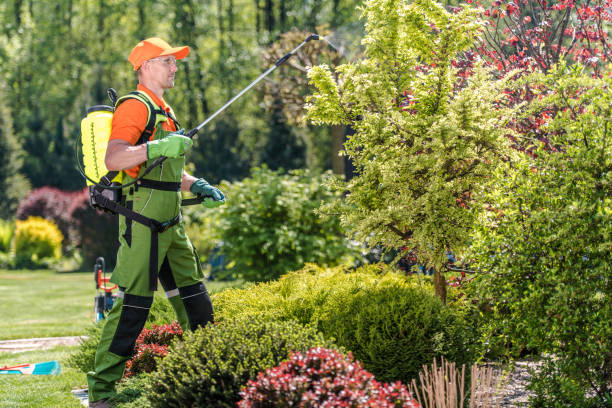
Professional fertilization and treatment programs keep your lawn and plants healthy, dense, and resistant to weeds and disease
Landscape Design Costs
- Basic design consultation: $75–$200
- Standard planting plan: $500–$2,500
- Full landscape design with CAD: $2,500–$7,000
- High-end custom residential design: $7,000–$20,000+
Sod Installation Costs
| Grass Type | Material Only (sq ft) | Installed (sq ft) |
|---|---|---|
| Bermuda | $0.30–$0.60 | $0.90–$1.75 |
| St. Augustine | $0.40–$0.70 | $1.10–$2.00 |
| Zoysia | $0.50–$0.80 | $1.40–$2.50 |
| Fescue (North) | $0.35–$0.65 | $1.00–$2.00 |
| Kentucky Bluegrass | $0.40–$0.75 | $1.10–$2.25 |
Patio and Hardscaping Costs
| Feature | Typical Installed Cost |
|---|---|
| Concrete patio (per sq ft) | $8–$15 |
| Paver patio (per sq ft) | $14–$28 |
| Flagstone patio (per sq ft) | $20–$40 |
| Pergola (standard wood) | $4,000–$10,000 |
| Outdoor kitchen (basic) | $5,000–$15,000 |
| Outdoor kitchen (custom) | $15,000–$50,000+ |
| Retaining wall (per sq ft) | $20–$60 |
| Patio walkway (paver, per sq ft) | $12–$24 |
| Fire pit (installed, basic) | $600–$2,500 |
Irrigation System Pricing
- New system installation (avg property): $2,500–$6,000
- Smart controller upgrade: $200–$500
- System repair (per visit): $75–$300
- Seasonal startup/shutdown: $50–$150
What Affects Landscaping Costs
Several variables push pricing above or below these averages:
- Geographic location: Urban and coastal markets run 30–60% higher than rural and Southern markets.
- Property condition: A neglected yard costs more to restore than a well-maintained one.
- Terrain complexity: Slopes, rocky soil, and drainage problems all add labor time and cost.
- Seasonal demand: Peak spring pricing runs higher than off-season fall and winter rates.
- Material selection: Premium stone, custom lighting, and smart systems add significantly to project costs.
- Contractor experience: Established, fully insured companies typically charge more — and deliver more consistent results.
Additional Landscaping Resources
Residential Landscaping Trends in the USA for 2026
Eco Friendly Landscaping
Sustainability isn't just a marketing term in landscaping anymore — it's driving real purchasing decisions. Homeowners are increasingly choosing organic fertilization programs, native plant designs, rain gardens, permeable pavers, and composting systems.
Some municipalities offer tax credits or rebates for specific eco-friendly landscaping improvements. It's worth asking your local water utility or municipal government what's available in your area.
Smart Irrigation Systems
Smart irrigation is no longer a premium upgrade — it's becoming standard in new landscape installations. Controllers connected to weather stations and soil sensors automatically adjust watering schedules based on real conditions.
The result: lawns get precisely the water they need, water bills drop, and homeowners stop guessing whether they over- or under-watered. Many utility companies also offer rebates for smart irrigation upgrades.
Drought Resistant Landscaping
Water scarcity concerns have made drought-tolerant landscaping a priority in Western states, Texas, and the Southeast. But even in regions without water restrictions, homeowners are choosing plantings that don't require constant irrigation.
The practical benefit beyond water savings: plants adapted to local conditions thrive with less intervention. They're more pest-resistant, more disease-resistant, and ultimately less expensive to maintain over time.
Outdoor Living Spaces
The line between indoor and outdoor living continues to blur. Homeowners are investing in outdoor spaces equipped with quality furniture, weather-resistant electronics, heating and cooling features, and architectural elements that make them feel like real rooms.
This trend is strongest in warmer climates but is increasingly visible in Northern markets as covered structures and heating elements extend the usable outdoor season.
Low Maintenance Landscaping Trends
Busy homeowners consistently prioritize low-maintenance design when working with landscape designers. Key elements include ground cover instead of high-maintenance turf, automated irrigation, perennial plantings over annuals, artificial turf in select areas, and hardscape surfaces that eliminate mowing in certain zones.
The goal isn't a yard that looks untended — it's a yard that looks great without demanding weekly attention.
DIY Landscaping vs Hiring Professionals
What Homeowners Can Do Themselves
Not everything requires professional hands. Homeowners with basic tools and reasonable fitness can handle:
- Mowing and edging on small properties (under 3,000 sq ft)
- Raking and bagging leaves in low-volume yards
- Refreshing mulch in existing flower beds
- Planting small annuals and perennials
- Basic hand-weeding between service visits
- Watering new plantings during establishment
- Light shrub pruning on plants under 6 feet tall
These tasks require modest skill and entry-level tools. The cost savings are real, and the work is manageable without professional training.
When Professional Landscapers Are Worth It
Some tasks are best left to professionals regardless of DIY skill level:
- Tree trimming and removal (safety and liability risk)
- Irrigation system installation and repair
- Sod installation over large areas (soil prep is critical)
- Retaining walls and structural hardscaping
- Drainage system installation and yard regrading
- Landscape design with HOA or permit requirements
- Fertilizer and pesticide programs (calibration and timing matter)
Attempting these without proper training typically produces results that cost more to fix than the professional job would have cost originally.
Cost Comparison: DIY vs Professional
| Task | DIY Material Cost | Time Required | Professional Cost |
|---|---|---|---|
| Lawn mowing (5,000 sqft) | $0 (own mower) | 2–3 hours | $60–$85 |
| Mulching (3 cu yards) | $75–$150 | 3–5 hours | $225–$450 |
| Sod install (2,000 sqft) | $600–$1,400 matls | Full day+ | $1,800–$4,000 |
| Fertilization | $40–$80 materials | 1–2 hours | $65–$120 |
| Tree trimming (1 tree) | Tool rental + risk | Half day | $200–$600 |
Time and Equipment Considerations
A professional crew mows, edges, and cleans up a typical suburban yard in 30–45 minutes. The same job takes most homeowners 2–3 hours — including setup, cleanup, and the inevitable detour to the hardware store.
Factor in equipment costs — a quality push mower runs $300–$600; a self-propelled or riding mower costs $1,500–$5,000 — and the economics of professional lawn care look significantly better over a 3–5 year period than most homeowners expect when they first run the numbers.
How to Choose the Best Residential Landscaping Company
Read Reviews and Ratings
Start with Google. Look for companies with 4.5 stars or higher and at least 50 reviews. Read the reviews — not just the ratings. Do reviewers mention reliability, communication, and quality consistently? Does the company respond professionally to negative feedback?
Cross-reference on Yelp, Angi, and Nextdoor. A referral from a neighbor who's used a company for two seasons is worth more than any number of five-star ratings from accounts you can't verify.
Compare Estimates Carefully
Get at least three written quotes for any project over $500. Ensure each quote covers the same scope of work — an apples-to-apples comparison isn't possible unless every company quotes the same services with the same specifications.
Itemized quotes that list services, materials, frequency, and exclusions give you the information you need to compare accurately. Vague one-line quotes protect the company, not you.
Ask About Insurance and Licensing
Any legitimate landscaping company carries:
- General liability insurance (minimum $1 million)
- Workers' compensation insurance
- State contractor's license where required
Ask for a certificate of insurance — not just a verbal confirmation. If a worker is injured on your property and the company is uninsured, you could face personal liability. This step takes two minutes and eliminates a significant risk.
Review Past Landscaping Projects
Ask for before-and-after photos or a portfolio of completed residential projects. Most established companies maintain a gallery on their website. If a company can't show you examples of work similar to what you're requesting, that's important information.
Understand Maintenance Plans
If you're hiring for ongoing lawn care, understand exactly what's included in the monthly or annual plan. What services are covered? How often? What's excluded and priced separately? What's the cancellation policy?
Clear service agreements protect you from billing disputes and ensure the company delivers what you're expecting — not what they think they promised.
Trusted Lawn Services — Local Experts Near You
Common Landscaping Problems Homeowners Face
Drainage and Standing Water
Poor yard drainage is one of the most common and most damaging problems in residential landscaping. Standing water drowns grass roots, creates mosquito breeding conditions, promotes fungal lawn disease, and — left untreated long enough — contributes to foundation damage.
Solutions range from simple surface regrading to French drain installation to complete underground drainage systems depending on severity. Always address drainage before installing new sod or hardscaping — these problems don't resolve themselves.
Weed and Pest Problems
Weeds are persistent, aggressive, and opportunistic. Once they establish in a lawn, eliminating them takes a structured program — not a single application. Pre-emergent weed control applied at the right time prevents germination; post-emergent treatments target active weeds.
Common lawn pests — chinch bugs, white grubs, sod webworms, armyworms — cause visible damage that worsens rapidly if not treated promptly. Early identification and targeted treatment costs significantly less than repairing widespread turf damage.
Dead Grass and Bare Spots
Bare spots develop for many reasons: heavy foot traffic, pet urine, poor drainage, shading, disease, or pest damage. The fix depends on the cause — patching bare areas without addressing the underlying issue simply produces more bare areas.
A professional lawn assessment identifies the actual cause before prescribing a solution. Targeted sod repair or overseeding combined with addressing the root cause is the right approach.
Soil Erosion Issues
On sloped properties, soil erosion strips topsoil after heavy rain, undermines plant health, and creates ruts and channels in the yard surface. Solutions include ground cover plantings that stabilize soil with root structure, erosion control matting during establishment, retaining walls for significant grade changes, and drainage redirection.
Poor Landscape Design Planning
This is the most expensive landscaping mistake — and the most common. Plants installed without considering their mature size, sun requirements, or water needs quickly outgrow their space, fail to thrive, or create maintenance problems that didn't exist before the installation.
Good residential landscaping design thinks 5–10 years ahead. It accounts for growth, seasonal changes, maintenance requirements, and the realistic budget available for upkeep. Design shortcuts always cost more to fix than they saved at installation.
Residential Landscaping for Different Regions in the USA
Landscaping in Hot Southern States
Texas, Florida, Georgia, Alabama, and the Gulf Coast region present specific challenges: extreme summer heat, high humidity, aggressive weed and pest pressure, and — in some areas — extended drought periods.
Warm-season grasses dominate (Bermuda, St. Augustine, Zoysia, Centipede). Irrigation is essential, not optional. Fungal lawn diseases are common during humid summer conditions. Drought-tolerant native plantings dramatically reduce long-term maintenance requirements.
Landscaping in Dry Western States
California, Arizona, Nevada, Utah, Colorado, and the mountain West face water scarcity, high UV exposure, and in many areas, alkaline soils that make plant establishment challenging.
Water-wise design is not optional in most Western markets — it's increasingly mandated by local water authorities. Native and drought-adapted plants (ornamental grasses, succulents, desert perennials) reduce irrigation demand substantially. Many Western cities offer significant rebates for turf replacement with drought-tolerant landscaping.
Landscaping in Cold Northern States
Minnesota, Wisconsin, Michigan, New York, and New England deal with short growing seasons, deep freeze cycles that damage hardscaping if not installed correctly, and cool-season grasses (Kentucky Bluegrass, Tall Fescue, Fine Fescue) that require different care than Southern varieties.
Seasonal timing is critical in Northern markets. Spring is compressed and busy; fall is the most important season for lawn health preparation. Winter hardening of plants, proper mulching depth, and irrigation winterization are non-negotiable maintenance steps.
Coastal Landscaping Challenges
Coastal properties — both Atlantic and Pacific — deal with salt spray, sandy soil with poor water retention, wind exposure, and in some regions, hurricane or high-storm-surge risk. Plant selection must prioritize salt tolerance. Irrigation systems need more frequent monitoring due to sandy soil drainage. Hardscape materials must be selected for corrosion resistance.
Benefits of Professional Residential Landscaping Services
Better Curb Appeal
A well-maintained, thoughtfully designed landscape transforms the exterior appearance of your home immediately. In competitive real estate markets, curb appeal is one of the highest-impact first impressions a property makes on buyers, appraisers, and visitors.
Increased Property Value
Multiple industry studies confirm that quality landscaping adds 5–12% to residential property values. For a $400,000 home, that's $20,000–$48,000 in added value — often from landscaping investments of $5,000–$15,000. The ROI on professional residential landscaping is among the strongest of any home improvement category.
Time Savings
The average suburban homeowner spends 70–150 hours per year on lawn and yard maintenance. Outsourcing routine maintenance reclaims that time — time that for most people has real personal and professional value.
Healthier Lawn and Plants
Professional landscapers don't just maintain appearances — they manage lawn health. Correct mowing heights, properly timed fertilization, early pest and disease detection, and efficient irrigation all produce a lawn that's genuinely healthier than one managed reactively.
Healthy grass is denser, more drought-resilient, and more resistant to weed invasion than stressed, poorly maintained turf.
Long-Term Maintenance Benefits
Consistent professional maintenance prevents the kind of decline that turns into expensive repair projects. Catching a drainage issue before it causes foundation damage, addressing chinch bugs before they destroy an entire lawn, pruning trees before a storm drops a branch on a roof — these are the real long-term value propositions of professional residential landscaping.
Why Trusted Lawn Services Is a Smart Choice
Experienced Landscaping Professionals
Trusted Lawn Services connects homeowners across the USA with vetted local landscaping professionals who bring real field experience — not just a truck and a mower. Every crew member understands the specific demands of residential landscaping in their local market. If you're in the Dallas area, landscaping services in Dallas, TX are available with crews who know exactly what Texas properties need.
Residential Landscaping Expertise
Residential work is the core of what Trusted Lawn Services does. Not a side business squeezed between commercial accounts. Homeowners receive personalized attention, flexible scheduling, and a service approach built around their specific property and goals.
Transparent Pricing
Clear, written, itemized quotes before any work begins. No vague estimates. No charges that appear after the job is done. Trusted Lawn Services builds client relationships on honesty — and that starts with a quote you can actually read and verify.
Reliable Scheduling and Communication
Consistent scheduling and proactive communication are the foundation of a long-term lawn care relationship. When you're on the schedule, you're on the schedule. And if anything changes, you hear about it first.
FAQ About Residential Landscaping Services
Residential landscaping services are professional lawn care, landscape design, installation, and maintenance services performed on private homes and residential properties. They range from routine mowing and fertilization to full outdoor renovations with patios, irrigation systems, and custom plant installations.
Routine lawn care starts at $35–$80 per mowing visit. Monthly maintenance plans run $100–$400 depending on property size and services. Full landscape design and installation projects range from $3,000 for small improvements to $80,000+ for complete property transformations. Hardscaping features like patios, kitchens, and retaining walls are priced separately based on materials and scope.
Most full-service residential landscaping companies offer lawn mowing and edging, fertilization and weed control, sod installation, tree trimming and shrub care, mulching and flower bed maintenance, irrigation installation and repair, patio and hardscape installation, outdoor lighting, drainage solutions, and seasonal cleanup services.
Lawn mowing: every 7–14 days during the growing season. Fertilization: 4–6 times per year. Aeration: once annually, typically in spring or fall. Seasonal cleanup: twice per year (spring and fall). Tree trimming: varies by species and growth rate, typically annually. Irrigation system check: at least twice per year (startup and shutdown in cold climates).
For most homeowners, yes. Professional landscaping adds measurable property value (5–12% for quality work), saves significant time, produces healthier lawns and plants, and prevents expensive problems through consistent care. The return on investment across these categories — value, time, health, and prevention — exceeds the cost for the majority of residential properties.
Lawn care focuses specifically on turf health — mowing, fertilization, weed control, aeration, and pest management. Landscaping is a broader term covering design, installation, and maintenance of the entire outdoor property, including plants, hardscape features, irrigation systems, lighting, and structural elements like retaining walls and patios. Many companies offer both under the general heading of landscaping services.
Final Thoughts on Residential Landscaping Services
A great yard doesn't happen by accident. It's the result of the right design, the right plants and materials for your climate, consistent professional care, and a realistic budget applied over time. The homeowners who get the best results from their landscaping investments are the ones who approach it strategically — not reactively.
Planning the Right Landscaping Budget
Think in two buckets: installation investment and ongoing maintenance. Installation is a one-time cost that builds permanent value. Maintenance is a recurring cost that protects that investment.
A reasonable starting point for most homeowners: budget 1–2% of your home's value for initial landscaping improvements and 0.5–1% annually for ongoing professional maintenance. For a $350,000 home, that's $3,500–$7,000 for meaningful improvements and $1,750–$3,500 per year to keep them looking great.
Choosing Long-Term Landscaping Value
The most expensive landscaping decision you can make is choosing the wrong company. Low prices that lead to poor workmanship, missed visits, and damage to your lawn cost far more to fix than professional service would have cost from the start.
Choose landscapers with verified reviews, documented insurance, itemized quotes, and a clear service guarantee. Pay fairly for quality work. And treat the relationship as a long-term partnership — because that's what produces the best results.
Choosing a Beautiful and Functional Outdoor Space
The best residential landscaping serves the way you actually live. A beautiful front yard. A functional backyard. An outdoor space that works in your climate, fits your maintenance appetite, and makes you glad to be home.
Whether you're starting from scratch or building on what you have, professional residential landscaping services give you the knowledge, labor, and results to get there faster and with far less frustration than going it alone.