
Weekly Lawn Maintenance Services Near Me in 2026
Everything you need to know about weekly lawn maintenance services near you — real costs, what's included, how to pick the right company, and why consistent weekly care makes all the difference for your lawn.
Weekly Lawn Maintenance Services Near Me in 2026
If you're searching for weekly lawn maintenance services near me, you already know what happens when your yard doesn't get regular attention. The grass gets too tall. Weeds sneak in along the fence line. Edges look ragged. And before you know it, your curb appeal is gone and your HOA is sending notices.
Weekly lawn maintenance is the single most effective way to keep your property looking sharp from April through October. Not biweekly. Not "when I get around to it." Weekly. Because grass grows fast during peak season, and skipping even one week creates a noticeable difference in how your lawn looks and feels.
This guide covers exactly what weekly lawn maintenance services include, what they cost in 2026, how to choose the right provider, and why consistent professional care beats sporadic DIY effort every single time.
Bottom line: Homeowners who invest in weekly lawn maintenance spend less money long-term than those who skip weeks and pay for costly catch-up treatments. Consistency is cheaper than recovery.
What Are Weekly Lawn Maintenance Services?
Understanding Weekly Lawn Care
Weekly lawn care services are exactly what they sound like — a professional crew visits your property once every week during the growing season to perform all the routine tasks that keep your lawn looking its best. This isn't a one-time cleanup or a seasonal treatment. It's an ongoing relationship between you and a lawn care company that shows up on a set day, at a set time, week after week.
Most weekly lawn maintenance programs run from late March or early April through October or November, depending on your region. In warmer southern states like Florida and Texas, some companies offer year-round weekly service because grass never fully goes dormant.
The core idea is simple: by maintaining your lawn at a consistent height and condition every single week, you prevent the problems that arise when grass gets overgrown — stress on the turf, weed encroachment, pest habitat creation, and that unkempt appearance that drags down your whole property.
Why Regular Lawn Maintenance Matters
Grass doesn't wait for your schedule. During peak growing season — roughly May through August in most of the country — warm-season grasses like Bermuda and St. Augustine can grow a half inch or more per week. Cool-season grasses like Kentucky Bluegrass and Tall Fescue push significant growth during their spring and fall peaks.
When you let grass grow too tall between cuts, you create a cascade of problems. The "one-third rule" of mowing says you should never remove more than one-third of the grass blade height in a single cutting. If your grass is supposed to be maintained at 3 inches and you let it reach 5 inches, cutting it back to 3 inches removes 40% of the blade — which stresses the grass, shocks the root system, and can cause temporary yellowing or browning.
Regular weekly mowing keeps you within that safe zone every single time. The grass stays healthy, the color stays consistent, and your lawn develops a dense, uniform canopy that naturally suppresses weeds.
Who Benefits Most from Weekly Lawn Service?
Weekly lawn maintenance isn't for everyone. If you have a tiny patch of grass and enjoy puttering around the yard on Saturday mornings, you might not need it. But for a lot of homeowners and property types, it's practically essential:
- Busy professionals and families who don't have 2–3 free hours every weekend for yard work
- HOA homeowners who face fines and violation notices for unkempt lawns
- Rental property owners and landlords who need consistent curb appeal to attract and retain tenants
- Property managers overseeing multiple residential or commercial properties
- Senior homeowners who can no longer handle the physical demands of mowing, edging, and blowing
- Anyone with a quarter-acre or larger lawn where DIY mowing becomes a serious time commitment
What Is Included in Weekly Lawn Maintenance Services?
Not all weekly lawn maintenance services are created equal. Some companies do the bare minimum — fire up a mower, make a few passes, and leave. Others provide a comprehensive visit that covers every detail of your property's appearance. Here's what a solid weekly service should include:
Lawn Mowing and Grass Cutting
This is the foundation of every weekly visit. Professional mowing means cutting the grass to the correct height for your specific grass type, using sharp blades that make clean cuts (not torn, ragged edges that invite disease), and following a consistent mowing pattern that reduces soil compaction and prevents wheel ruts.
Proper mowing height varies by grass type: Bermuda grass thrives at 1–2 inches, St. Augustine prefers 3–4 inches, Kentucky Bluegrass does best at 2.5–3.5 inches. A knowledgeable crew adjusts their deck height based on what's actually growing in your yard, not a one-size-fits-all setting.
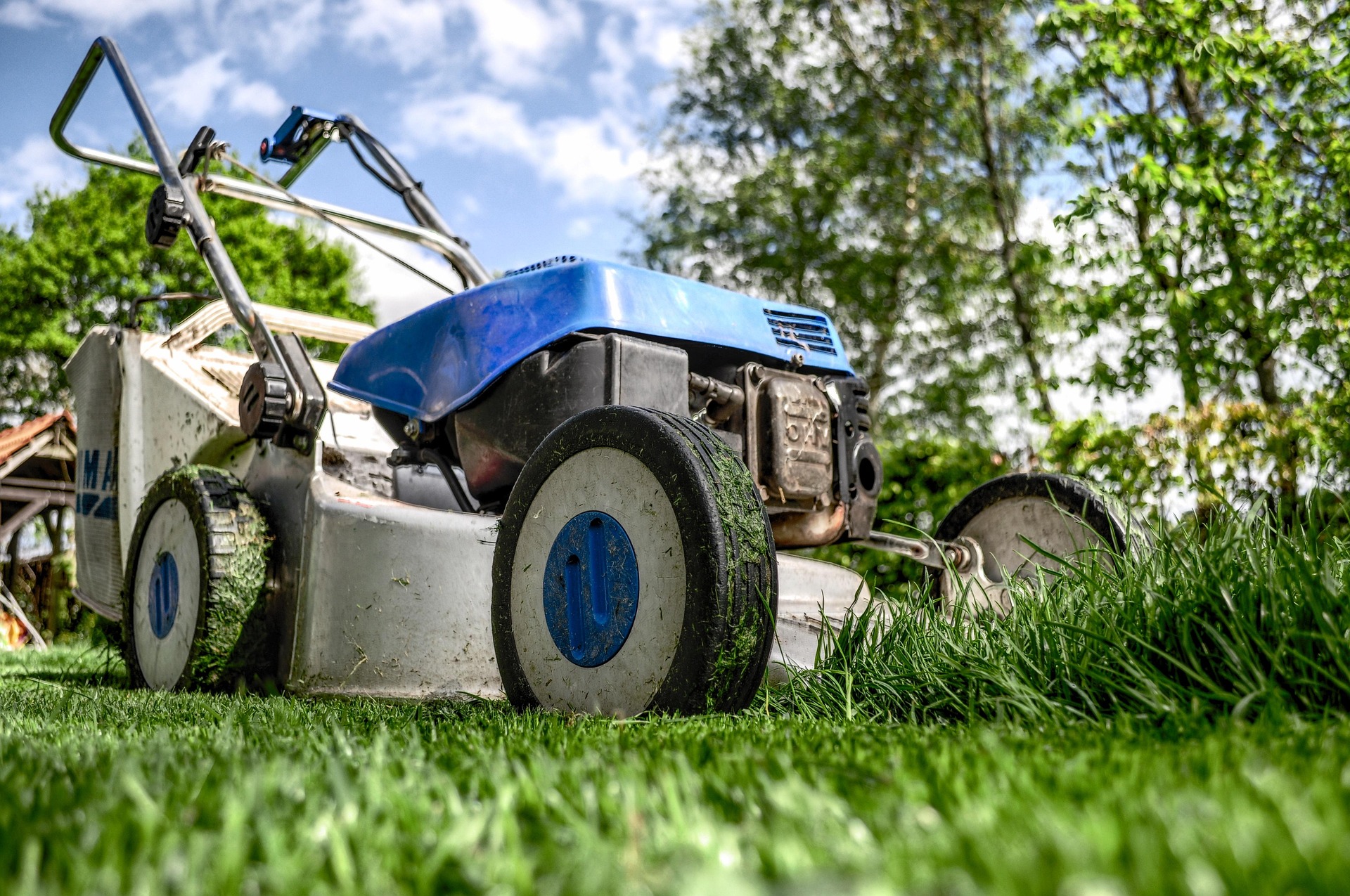
Commercial-grade mowing equipment delivers cleaner cuts and faster results than residential models
Lawn Edging and Trimming
Edging is what separates a professional-looking lawn from a homeowner hack job. This means running a stick edger or string trimmer along every sidewalk, driveway, patio, curb, flower bed border, and foundation line to create crisp, clean boundaries between your grass and hardscape surfaces.
Trimming covers everything the mower can't reach — along fences, around tree trunks, near air conditioning units, around mailbox posts, and along any other obstacles. A good crew will also trim along the property line if there's a defined edge.
Weed Control Services
Basic weekly maintenance typically includes spot weed control — meaning the crew will pull or treat visible weeds in your lawn and bed areas during each visit. This isn't the same as a comprehensive weed control program, but it helps prevent small weed problems from becoming big ones.
Many homeowners bundle weekly mowing with a separate fertilization and weed control program for complete coverage. The weekly crew handles the mowing, edging, and cleanup, while a specialized technician handles the treatment applications on a different schedule.
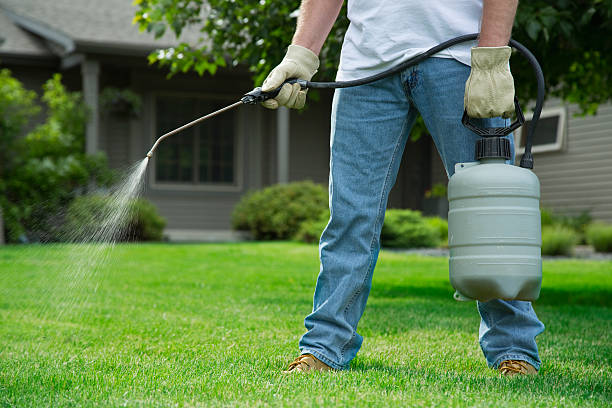
Targeted weed control applications keep invasive plants from taking over your lawn
Blowing and Property Cleanup
Every weekly visit should end with a thorough blowing of all hard surfaces. This means using a backpack blower to clear grass clippings, trimmings, and debris from sidewalks, driveways, patios, porches, steps, and the street in front of your property.
Professional crews also bag or mulch clippings based on your preference and local regulations. In most cases, mulching clippings back into the lawn is actually better for turf health because it returns nitrogen and organic matter to the soil.
Lawn Health Monitoring
One of the most underrated benefits of weekly service is that a trained professional is looking at your lawn every single week. They notice things you might miss — early signs of disease, pest damage, irrigation problems, bare spots developing, or drainage issues.
This ongoing monitoring is genuinely valuable. Catching a fungal infection in its first week versus its fourth week can be the difference between a $50 treatment and a $500 renovation.
Seasonal Lawn Care Adjustments
Weekly lawn maintenance isn't the same thing in May as it is in September. During spring, the crew might adjust mowing height as grass comes out of dormancy. In midsummer, they might raise the deck to help grass survive heat stress. In fall, they might lower the height for the final few cuts to prevent snow mold in northern climates.
These adjustments happen automatically when you work with an experienced company. You don't have to think about it — they just do it because they know what your lawn needs at each point in the season.
Benefits of Weekly Lawn Maintenance Services Near Me
Healthier Grass Growth
Consistent mowing at the right height encourages lateral growth, which means your grass gets thicker and denser over time. A dense turf canopy shades the soil, retains moisture, and makes it extremely difficult for weed seeds to germinate.
Better Curb Appeal
There's no substitute for a lawn that looks good every single day of the week. Not just on mowing day — every day. When your grass is maintained weekly, it never reaches that "it needs mowing" stage where the whole yard starts looking shaggy.
Weed and Pest Prevention
Tall grass creates shade at the soil level, which is exactly what weed seeds need to germinate. It also creates hiding spots and habitat for insects, rodents, and other pests. By keeping grass at its ideal height, you eliminate the conditions that weeds and pests thrive in.
Consistent Lawn Appearance
A lawn that looks the same on Wednesday as it does on Saturday creates an impression of stability and care. Neighbors notice. Visitors notice. Prospective buyers definitely notice. Consistency signals that someone is paying attention.
Increased Property Value
Studies consistently show that well-maintained landscaping increases property values by 5–15%. A lawn that clearly receives professional weekly maintenance is one of the strongest signals of overall property care.
Weekly Lawn Maintenance vs Biweekly Lawn Service
Biweekly service costs less — roughly 40–50% less annually — so it's tempting. But is it worth the savings?
Service Frequency Comparison
Weekly service means your lawn gets attention every 7 days. Biweekly means every 14 days. During peak growing season, that 7-day gap makes an enormous difference. Grass that's at ideal height on day 7 can be 40–60% taller by day 14, forcing the crew to cut too much off and stressing the turf.
Lawn Health Differences
Weekly-maintained lawns develop denser turf, fewer weeds, and better color consistency. Biweekly-maintained lawns often show a visible "good day / bad day" cycle where the lawn looks great right after a cut but progressively rougher as the second week progresses.
Cost Comparison
Biweekly lawns often need additional services that weekly lawns don't. More aggressive weed treatments, more frequent aeration, occasional overseeding to fill in thin spots caused by mowing stress. These catch-up costs can erase much of the savings.
Which Option Is Best for Your Property?
Weekly service is the better choice for most properties during peak growing season. Biweekly can work for very small lawns, shaded properties with slow growth, or during spring and fall when growth is slower.
| Factor | Weekly Service | Biweekly Service |
|---|---|---|
| Mowing Frequency | Every 7 days | Every 14 days |
| Grass Stress Level | Low — consistent height | High — tall-to-short cycle |
| Weed Suppression | Excellent — dense canopy | Moderate — gaps allow weeds |
| Curb Appeal | Consistent all week | Degraded in second week |
| Lawn Health Trend | Improving over season | Stagnant or declining |
| Additional Services | Minimal | More weed control, aeration |
| Best For | Most properties, HOAs | Small lawns, shaded areas |
| Annual Cost (1/4 acre) | $1,300 – $2,100 | $700 – $1,200 |
How Much Do Weekly Lawn Maintenance Services Cost in 2026?
Pricing varies based on property size, location, condition, and what's included. Here are realistic 2026 estimates.
Small Residential Lawns
Under 5,000 sq ft of turf: $35–$65 per visit. Annual cost for 30 weeks: $1,050–$1,950.
Medium-Sized Properties
5,000–15,000 sq ft: $50–$110 per visit. Annual cost: $1,500–$3,300.
Large Residential Properties
Over 15,000 sq ft: $90–$200+ per visit. Annual cost: $2,700–$6,000+.
HOA and Commercial Lawn Maintenance
$0.02–$0.06 per sq ft per visit, or $200–$2,000+ per visit depending on size and complexity.
| Property Size | Per Visit | Monthly (4 visits) | Annual (30 weeks) |
|---|---|---|---|
| Small (under 5K sq ft) | $35 – $65 | $140 – $260 | $1,050 – $1,950 |
| Medium (5K–15K sq ft) | $50 – $110 | $200 – $440 | $1,500 – $3,300 |
| Large (15K–30K sq ft) | $90 – $175 | $360 – $700 | $2,700 – $5,250 |
| Extra Large (30K+ sq ft) | $150 – $300+ | $600 – $1,200+ | $4,500 – $9,000+ |
| Region | Small (per visit) | Medium (per visit) | Large (per visit) |
|---|---|---|---|
| Southeast (FL, GA, NC) | $35 – $55 | $50 – $95 | $85 – $160 |
| Southwest (TX, AZ, NV) | $40 – $60 | $55 – $100 | $90 – $170 |
| Midwest (OH, IL, MI) | $35 – $60 | $50 – $105 | $90 – $175 |
| Northeast (NY, NJ, PA) | $45 – $70 | $65 – $120 | $110 – $200 |
| West Coast (CA, WA, OR) | $50 – $80 | $75 – $130 | $120 – $220 |
Pricing tip: Always ask if the quoted price includes edging, trimming, and blowing — or if those are extra. A $40 "mowing only" quote vs. a $55 "full service" quote aren't comparable.
How to Choose the Best Weekly Lawn Maintenance Company
Check Reviews and Ratings
Read at least 15–20 reviews across Google and Yelp. Look for patterns — reliability, communication, quality of edging. A 4.7-star company with 200 reviews is worth more than a 5.0-star company with 8 reviews.
Compare Service Packages
Some companies offer tiered packages — basic mowing, standard service, and premium. Compare what's actually included at each price point.
Verify Licensing and Insurance
Ask for proof of general liability insurance (minimum $1 million) and workers' compensation. Any legitimate company will provide this immediately.
Ask About Lawn Care Experience
How long has the company been in business? Do they know the difference between Bermuda and St. Augustine? Experience with your specific grass type matters.
Understand Service Agreements
Read the contract. What's the cancellation policy? What happens if they miss a visit? Do they guarantee satisfaction?
Common Lawn Problems Weekly Maintenance Prevents
Overgrown Grass
When grass gets too tall, it blocks sunlight from lower blades, creates thatch buildup, and provides habitat for insects and rodents. Weekly mowing eliminates this entirely.
Weed Infestations
Weeds exploit every weakness — thin spots, bare soil, tall grass. A dense, consistently-maintained turf leaves no room for weeds to establish.
Bare Spots and Thin Turf
Improper mowing damages grass and creates thin areas that get invaded by weeds or disease. Professional weekly maintenance thickens your turf over time.
Lawn Diseases
Many diseases thrive under poor mowing conditions — excessive thatch, moist microclimates under tall grass, stressed turf. Weekly maintenance keeps your lawn resistant.
Drainage and Watering Issues
Weekly crews notice when water isn't draining properly, when sprinkler heads are misaligned, or when areas show drought stress — before they become expensive problems.
Lawn Maintenance Tips Between Weekly Visits
Proper Watering Practices
Most lawns need 1–1.5 inches of water per week, delivered in 1–2 deep sessions rather than daily sprinkling. Deep watering encourages deeper roots. Water early morning (4–7 AM) to minimize evaporation.
Pet Damage Prevention
Water the area immediately after your dog goes to prevent nitrogen burns. Designate a specific area for pet use with a resilient ground cover.
Seasonal Lawn Care Tips
- Spring: Don't walk on soft, wet soil. Clean up debris before the first mow.
- Summer: Don't fertilize during extreme heat. Raise watering depth during dry spells.
- Fall: Keep falling leaves cleared. Best time for aeration and overseeding.
- Winter: Minimize foot traffic on frozen grass. Keep heavy objects off the lawn.

Fall aeration and overseeding complement your weekly mowing program for year-round lawn health
Keeping Your Lawn Healthy Year-Round
Weekly mowing is the foundation, but year-round health requires proper fertilization, drainage solutions, annual aeration, and fall overseeding. Your weekly lawn maintenance company can coordinate all of this.
Lawn Maintenance Trends in 2026
Smart Irrigation Systems
Smart controllers adjust watering based on real-time weather data and soil moisture, reducing water waste by 20–40%.
Eco-Friendly Lawn Care
Organic fertilizers, natural weed control, and electric equipment are replacing gas-powered tools, reducing noise and emissions.
Drought-Tolerant Lawn Solutions
With water restrictions increasing, many homeowners are transitioning to drought-tolerant grass varieties and native ground covers.
Sustainable Practices
Grass cycling, compost topdressing, pollinator-friendly zones, and water-wise landscaping are becoming mainstream in 2026.
Why Homeowners Choose Professional Weekly Lawn Maintenance
Time Savings
75 hours per year saved. At $25/hour value, that's $1,875 of your weekend time — often about the same as professional service costs.
Professional Equipment
Commercial zero-turn mowers, professional edgers, and backpack blowers deliver noticeably better results than homeowner-grade tools.
Better Lawn Health
Professional crews know mowing heights for every grass variety and when to adjust for heat stress or seasonal changes.
Consistent Results
Your lawn looks good every single week — no matter how busy you are or what the weather does.
Why Trusted Lawn Services Is a Smart Choice
Experienced Lawn Care Professionals
Crews who understand your local grass types and climate make better decisions on your property.
Reliable Weekly Scheduling
The number one complaint about lawn care companies is unreliability. A company that shows up every single week without fail is worth a premium.
Transparent Pricing
No surprise charges, no hidden fees, no "that'll be extra" for basic services. Clear price, clear services, all season long.
Customer-Focused Service
Responsive communication, easy scheduling changes, and a genuine commitment to your satisfaction every visit.
FAQ About Weekly Lawn Maintenance Services Near Me
In 2026, $35–$65 per visit for small lawns, $50–$110 for medium properties, and $90–$200+ for large properties. Annual costs range from $1,050 to $6,000+ depending on size, region, and inclusions.
Lawn mowing at proper height, edging along all hardscapes, string trimming, blowing all surfaces clean, and lawn health monitoring. Some companies include spot weed treatment and debris removal.
Yes for most homeowners. It saves 70+ hours per year, delivers better results than DIY or biweekly service, prevents costly problems, and maintains curb appeal that protects property value.
Weekly (every 7 days) during peak growing season. Every 10–14 days during slower growth periods. Never remove more than one-third of the blade height per cutting.
Basic weekly service includes spot weed control. Comprehensive programs (pre-emergent and post-emergent applications) are usually a separate add-on. Many homeowners bundle both.
Read 15–20+ reviews, verify licensing and insurance ($1M+ liability + workers' comp), compare detailed service packages, ask about grass-type experience, and always get a written contract.
Final Thoughts on Weekly Lawn Maintenance Services Near Me in 2026
Investing in Long-Term Lawn Health
Weekly lawn maintenance is an investment, not an expense. Consistency over months and years transforms an average lawn into an exceptional one.
Choosing the Right Lawn Care Provider
Look for strong reviews, proper insurance, transparent pricing, and a commitment to showing up every week. Reliability is worth more than any discount.
Keeping Your Lawn Beautiful Year-Round
The best time to set up weekly service is before growing season starts. Companies with strong reputations fill their schedules early — don't wait until May.